


The offshore job market is a dynamic and evolving landscape, offering a wealth of opportunities for those seeking careers in the oil and gas, renewable energy, and maritime sectors. With the increasing global demand for energy and resources, the offshore industry continues to expand, presenting both challenges and prospects for job seekers. This article delves into the current trends and opportunities in the offshore job market, helping you navigate your career path effectively.
Current Trends in Offshore Employment
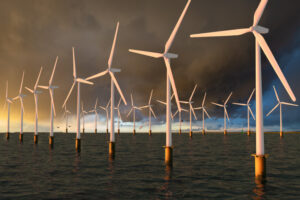
Growth in Renewable Energy Sector: One of the most significant trends in the offshore job market is the rapid growth of the renewable energy sector. Offshore wind farms, in particular, are expanding at an unprecedented rate. Countries around the world are investing heavily in renewable energy sources to combat climate change and reduce dependence on fossil fuels. This shift creates numerous job opportunities in the construction, maintenance, and operation of offshore wind farms.
Advancements in Technology: Technological advancements are transforming the offshore industry, making operations safer, more efficient, and environmentally friendly. Automation, robotics, and artificial intelligence are increasingly being integrated into offshore activities. For job seekers, this means a growing demand for professionals with expertise in these cutting-edge technologies. Positions such as robotics engineers, data analysts, and automation specialists are becoming more prevalent.
Emphasis on Safety and Training: Safety remains a top priority in the offshore industry. As a result, there is a heightened focus on safety training and certifications. Employers are looking for candidates who are not only skilled but also well-versed in safety protocols. Obtaining relevant safety certifications, such as Basic Offshore Safety Induction and Emergency Training (BOSIET), can significantly enhance your employability in this sector.
Increased Demand for Specialized Skills: The offshore job market is becoming more specialized, with employers seeking candidates who possess niche skills and expertise. For example, there is a high demand for subsea engineers, drilling engineers, and marine biologists. Developing specialized skills and gaining experience in specific areas can set you apart from the competition and open doors to lucrative career opportunities.
Key Sectors and Regions with High Demand
Oil and Gas: Despite the growing emphasis on renewable energy, the oil and gas sector remains a major player in the offshore industry. Regions such as the Gulf of Mexico, North Sea, and the Middle East continue to see significant investments in offshore oil and gas exploration and production. Job seekers with experience in drilling, rig management, and subsea engineering will find ample opportunities in these areas.
Offshore Wind Energy: As mentioned earlier, offshore wind energy is experiencing rapid growth. Europe, particularly the United Kingdom and Germany, leads the way in offshore wind capacity. Additionally, countries like the United States, China, and Japan are making substantial investments in offshore wind projects. This sector offers a wide range of job opportunities, from project management and engineering to environmental assessment and maintenance.
Maritime and Shipping: The maritime and shipping industry plays a crucial role in global trade, and offshore activities are integral to this sector. Ports, shipping companies, and offshore support vessels require skilled professionals to ensure smooth operations. Positions in this sector include marine engineers, deck officers, and logistics coordinators.
Navigating Your Career Path
Gain Relevant Experience and Certifications: To succeed in the offshore job market, gaining relevant experience and obtaining necessary certifications is essential. Internships, apprenticeships, and entry-level positions can provide valuable hands-on experience. Additionally, certifications such as BOSIET, HUET (Helicopter Underwater Escape Training), and specific technical qualifications can make you a more attractive candidate to potential employers.
Stay Updated with Industry Trends: Staying informed about the latest trends and developments in the offshore industry is crucial. Follow industry news, attend conferences, and join professional associations to network with industry experts and stay updated on emerging opportunities.
Build a Strong Professional Network: Networking is a powerful tool in the offshore job market. Connect with professionals in the industry through social media platforms like LinkedIn, attend industry events, and participate in online forums. Building a strong network can provide you with valuable insights, job leads, and potential mentorship opportunities.
Be Flexible and Adaptable: The offshore industry is constantly evolving, and being flexible and adaptable is key to navigating this dynamic job market. Be open to new opportunities, locations, and roles. Demonstrating your willingness to adapt to changing circumstances can make you a more attractive candidate to employers.
The offshore job market offers a wealth of opportunities for those willing to navigate its dynamic landscape. By staying informed about industry trends, gaining relevant experience and certifications, building a strong professional network, and remaining adaptable, you can position yourself for a successful and rewarding career in the offshore industry. Whether you’re interested in the traditional oil and gas sector or the burgeoning renewable energy field, the offshore industry holds promising prospects for job seekers.
Recrulo (Pty) Ltd. | www.recrulo.com | info@recrulo.com